Bet Trading Platforms Navigate New Market Dynamics in June 2026
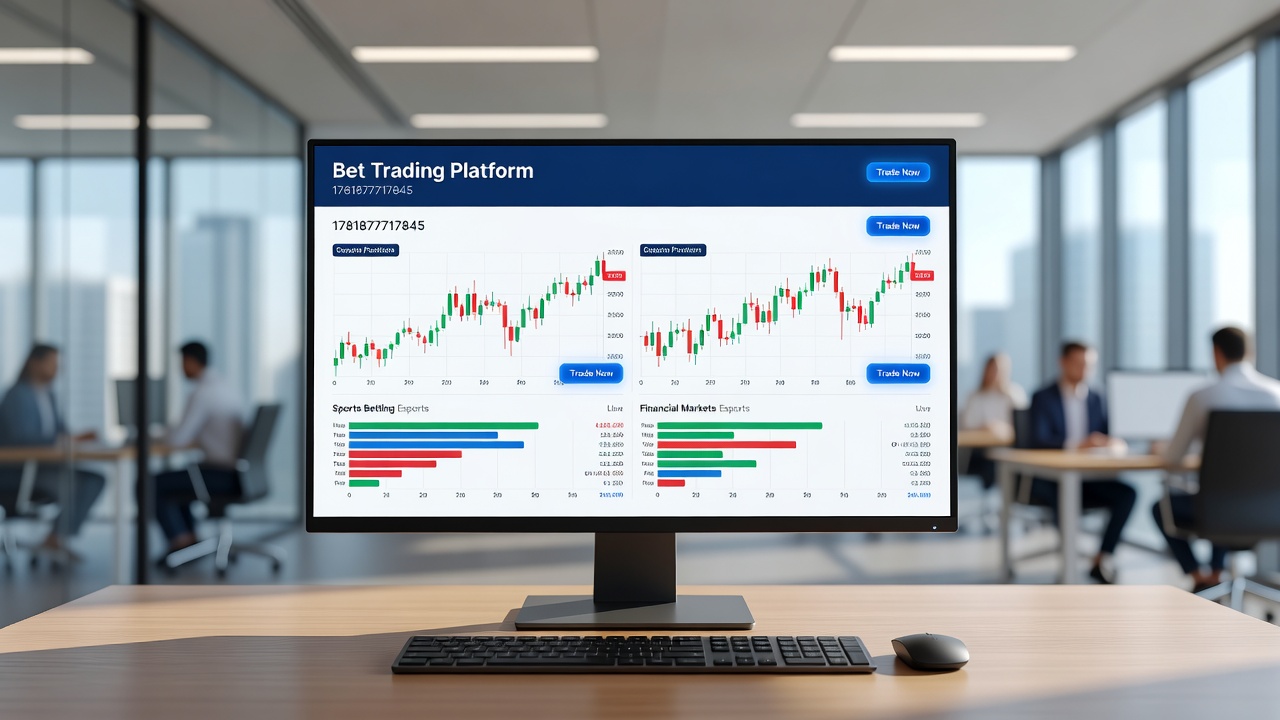
Bet trading platforms have expanded their reach significantly by June 2026 as operators integrate advanced matching engines with broader payment solutions and data analytics tools while users across multiple regions engage in back and lay positions on various events. These systems function through peer-to-peer order books where participants place opposing wagers directly against each other rather than against a traditional bookmaker and this structure allows for price discovery based on supply and demand at any given moment.
Platform Mechanics and Operational Shifts
Core operations rely on continuous order matching where buy and sell orders for specific outcomes align in real time and traders adjust positions as new information emerges during live events. Data from regulatory filings shows that transaction volumes on these platforms increased steadily through the first half of 2026 with particular growth in markets covering major leagues and international competitions. Operators have introduced layered depth charts that display available liquidity at different price points and this helps participants identify entry and exit points without relying solely on static odds boards.
Security protocols have tightened in response to rising cyber threats and many platforms now employ multi-factor authentication alongside encrypted transaction logs that meet standards set by bodies such as the Alcohol and Gaming Commission of Ontario. Users gain access to historical data feeds that allow retrospective analysis of past market movements and several providers bundle these tools with educational modules on risk management strategies.
Regulatory Landscape Across Regions
June 2026 brought fresh guidance from authorities in Australia and Canada where updates emphasized clearer disclosure of platform fees and mandatory reporting of high-volume trading activity. The Australian Competition and Consumer Commission published updated consumer protection guidelines that require operators to flag unusual activity patterns and this has prompted several platforms to enhance their monitoring dashboards accordingly. In parallel European markets saw incremental adjustments to cross-border transaction rules that affect how funds move between user accounts in different jurisdictions.

Research from the University of Nevada Las Vegas gaming studies department indicates that jurisdictions with established licensing frameworks experienced higher user retention rates compared to emerging markets still developing oversight structures. These findings emerged from surveys conducted between January and May 2026 and they highlight the role of transparent settlement processes in building sustained participation.
Technological Integration and User Growth
Many platforms now connect directly with third-party data providers that supply live statistics and this integration reduces latency between event developments and corresponding price adjustments. Mobile applications have incorporated swipe-based order placement features while desktop interfaces retain advanced charting options for those managing larger position sizes. Participation metrics released by industry associations reveal that active trader counts rose by double-digit percentages year over year in several Asia-Pacific territories where regulatory clarity improved earlier in the decade.
Payment processing partnerships expanded to include additional digital wallet options and this reduced settlement times for withdrawals in most supported regions. Observers note that platforms offering instant deposit confirmations alongside detailed transaction histories tend to attract users who trade across multiple event types rather than focusing on single categories.
Market Data and Participation Patterns
Volume reports compiled through mid-2026 show consistent activity in both pre-event and in-play segments with soccer and horse racing categories maintaining the largest share of total matched stakes. Platform operators have responded by adding specialized filters that allow traders to isolate opportunities based on time remaining or specific statistical thresholds. Educational resources provided by these sites now include interactive simulations that replicate order book behavior under varying liquidity conditions.
Those who have tracked platform performance over multiple years point out that integration with external APIs for automated trading scripts has become more common although usage remains concentrated among a subset of experienced participants. Such developments align with broader industry moves toward greater automation while still preserving manual oversight requirements for larger accounts.
Conclusion
Bet trading platforms continue to evolve through a combination of regulatory compliance efforts and technological refinements that support expanding user bases into June 2026 and beyond. Market participants benefit from improved transparency tools and faster processing while regulators focus on maintaining fair access and accurate reporting standards across jurisdictions. These ongoing adjustments reflect the sector's response to both technological possibilities and oversight demands that shape daily operations.